In a super-heated political environment, covering the Capitol now requires more than holding public officials accountable.
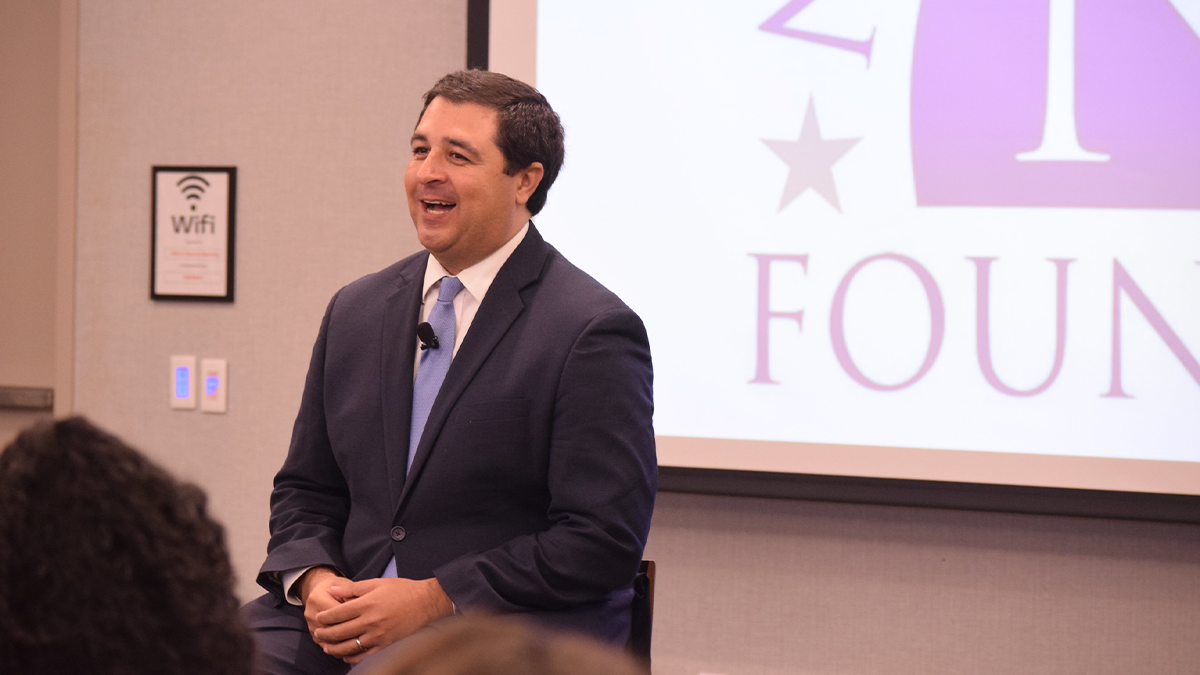
A panel of Capitol correspondents, drawn from state and national news organizations, told the National Press Foundation’s Statehouse Reporting fellows gathered in Madison, Wisconsin not to ignore their own personal welfare as they are increasingly confronting aggressive proponents of baseless conspiracy theories and a wary public.
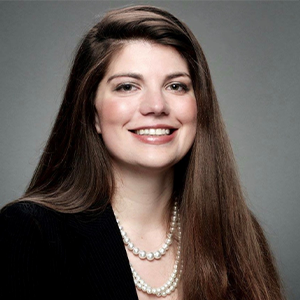
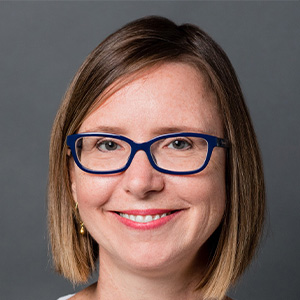
Patrick Marley, correspondent, The Washington Post; Molly Beck, senior Capitol reporter, Milwaukee Journal Sentinel; Emilee Fannon, Capitol correspondent, CBS Channel 58/Wisconsin; and Megan O’Matz, reporter, ProPublica; urged caution when engaging with their audiences on social media where personal attacks—or worse—often follow their reporting.
When personal safety is threatened, the correspondents urged the statehouse fellows to report those encounters to their editors and discouraged direct confrontation. If the response is not adequate, raise the issues at a higher level of newsroom leadership, they said.
What they said.
“There’s sadly death threats in this era of politics. And I think even just talking about it with other journalists, because other people have gone through likely something that you’ve gone through and just having that support group with other reporters has helped me personally.
“But yeah, my best advice is just swallow it. Don’t say anything, because even if you respond, even on Twitter… even if it’s a little sassy, one person sees it and they can take that the wrong way. And I think that’s just another thing to put in this room. Be very careful what you post on social media and just scroll through that too sometimes, you’ve said something in the past.” (Emilee Fannon, Capitol correspondent, CBS Channel 58/Wisconsin)
“If they’re going to lie to me and I’m going to tell people they lied and then they won’t talk to me, I guess I just have to live with that.
“I’m certainly happy to have it out with anybody who we quote… Some of the people who promote this, well, they just almost wear it as a badge of honor. ‘Well, you’re the mainstream media. You’re going to call us conspiracy theorists.’ That’s fine. I’m here to tell you the real truth.” (Patrick Marley, correspondent, The Washington Post)
“I also think that we’re always trying to hold public officials accountable, but anything that is said that is not true, we are going to point it out and we’re going to write a whole story about it… We’re still fact-checking…, and I think it’s really important to keep doing that.” (Molly Beck, senior Capitol reporter Milwaukee Journal Sentinel)
“(Former President) Trump’s demonizing the press has really had a profound effect on how we do our jobs, especially as we strive so much, all of us, for fairness. You want to know what you don’t know. You want people to talk with you on all sides of the issues. And this has been just so totally against the norm, and I’ve been a long-time reporter.” (Megan O’Matz, reporter, ProPublica)
Why it matters.
“I just want to leave it with this: What you do is important. I read it and see it.”
Go to the transcript.
This program is funded by Arnold Ventures. NPF is solely responsible for the content.