Few would argue that China is at the center of any conversation about trade diversification toward Asia. But there’s a paradoxical story of dominance impaired by economic slowdown that signals both an opportunity and the need for geopolitical risk management. Journalists must grasp the nuances that illuminate the full story.
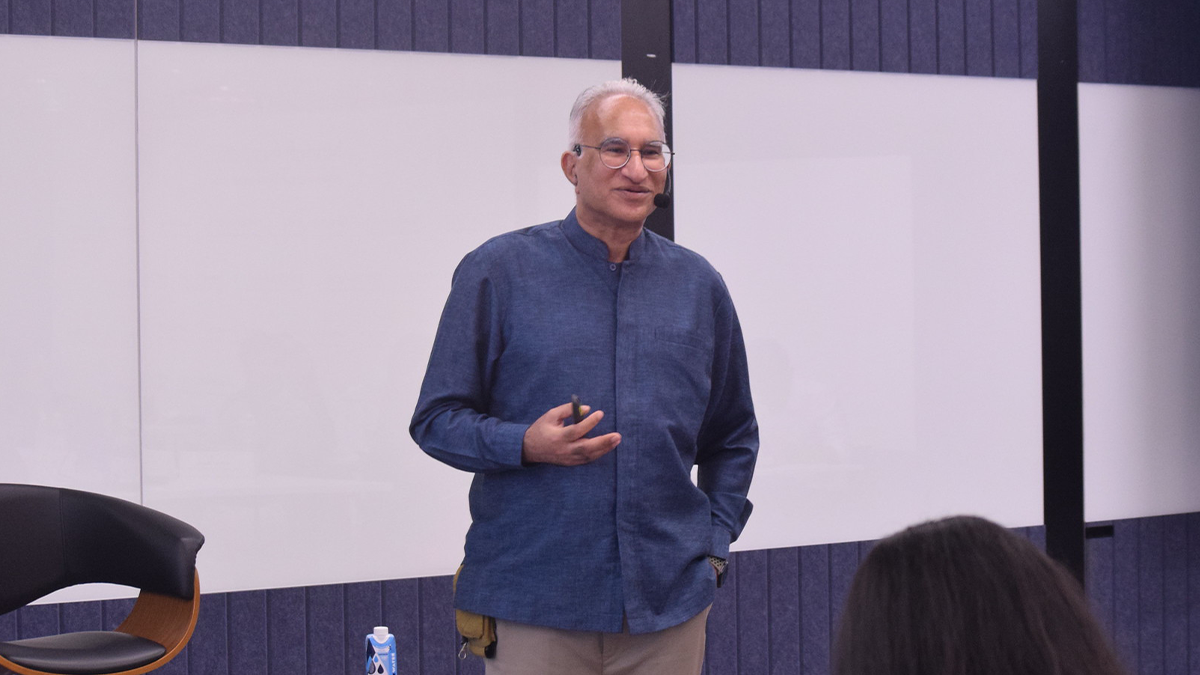
That was the message shared by Dr. Sarah Tong, senior research fellow with the National University of Singapore’s East Asian Institute, during the National Press Foundation’s International Trade Reporting Fellowship. Tong told fellows that China’s “resilience” narrative masks high social costs and unsustainable pressures on workers and local governments.
“China’s size right now is number two in population. Second to India just from a couple years ago, but in terms of economic size… since early 2010s, growth has been continuously and persistently decelerated, Tong said.
The gap between manufacturing capacity and domestic consumption makes China dependent on export markets despite stated goals of domestic consumption-led growth.
During an expansive briefing that explored the country’s technology strategy, regional supply chains, the so-called marriage crisis and demographics, Tong urged journalists to master the complicated nuances of regional dominance versus long-term global competitiveness.
“China has impressed many people, including Chinese themselves. At the same time, that exceptional or outstanding performance also brings up a lot of questions and issues and challenges. So sometimes you get problem(s) because you’re too successful in what you’re pursuing.”
This fellowship is part of an ongoing program of journalism training and awards for trade coverage sponsored by the Hinrich Foundation. The National Press Foundation is solely responsible for the content. Resources and transcripts are available to journalists worldwide.