In an era of instant deadlines, disinformation campaigns and adversarial government press offices, there is no substitute for deep source development, especially on the business beat.
Explaining the challenges facing local businesses has never been more urgent, as entrepreneurs attempt to navigate costly tariffs, labor crises linked to immigration enforcement and breaks in the global supply chain.
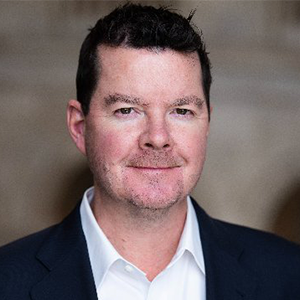
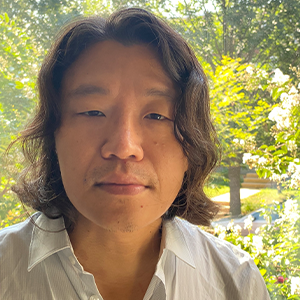
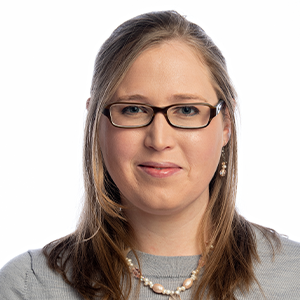
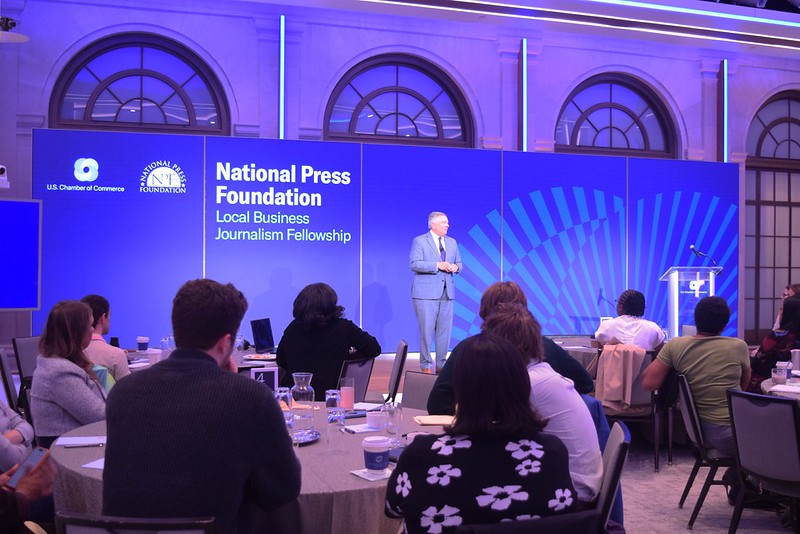
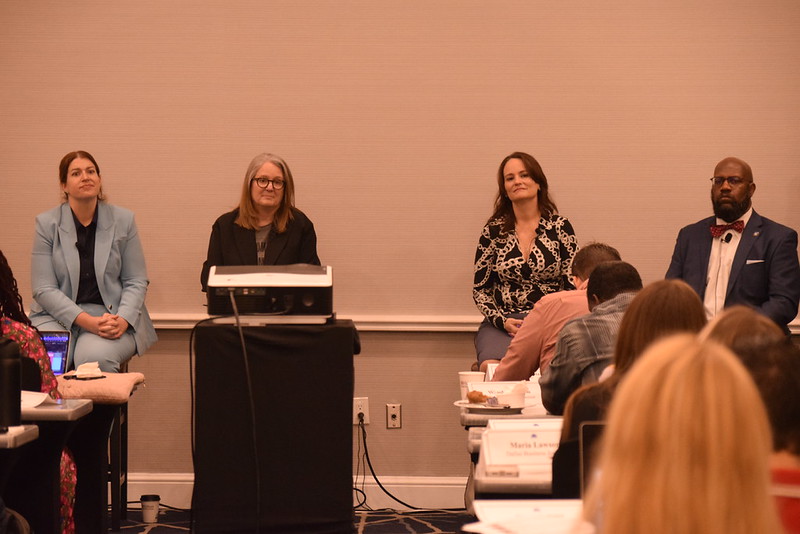
Brody Mullins, a Pulitzer Prize-winning investigative reporter and author; Rafael Nam, NPR’s senior economics editor; and Sarah Wolf, business reporter at The Columbian in Vancouver, Wash., shared best practices with the National Press Foundation’s Local Business Reporting Fellowship for building the beat for the long term.
Source development never stops
“The best strategy is to plan your career for the long term, build relationships with people who can be sources now, but more importantly, sources later,” Mullins said. “And the really basic practical way of doing that for me was what I try to do is each week meet one new person for breakfast, for lunch, for coffee, for dinner.
“It doesn’t need to take much time, but if you meet just one person on or around your beat a week, that’s 50 people a year, a hundred people after two years, and it just keeps adding up. And when you meet these people, it’s often best if it’s not for a story, it’s just meeting someone. We’re all journalists, so hopefully that means we’re social people and we’re curious; otherwise, we’re in the wrong profession.”
Making the human connection
“If you listen to NPR, we’re very much character-driven,” Nam said. “We’re always looking at, say, a tariff story. How do we illustrate tariffs in a way that’s human? “We always say, go look for that one person, that small businessman or a small businesswoman that’s struggling because of the high aluminum cost, or go talk to even a consumer.”
“So, we always kind of look for the human side. And I love talking to reporters and kind of being able to just talk it out and talk about what would make our story unique. And traditionally, I rarely say no to things… I’m always very encouraging for people to just pursue things, to chase it and we continue to talk it out. Sometimes we both realize it comes to a dead end and it’s just not going to work. And that happens to everybody, right? That happens to all reporters.”
Knowing your audience
“Well, just to put it in context, my city has 200,000 people in it, and then I cover Clark County, which has about half a million people in it. I was born in Clark County, and I grew up in Clark County, and my parents lived in Clark County, and my grandparents and my great-grandparents lived in Clark County. So I am very much ingrained in the community that I’m reporting on,” Wolf said.
“I yearly write a story analyzing all of our publicly traded companies’ salaries and CEO salaries. So these are people that are like definitely in our community and I think it’s just important to kind of maintain those relationships… but with the knowledge that there are boundaries. If they do something wrong, you have to write about it.”
Access the full transcript here.
This fellowship is sponsored by the U.S. Chamber of Commerce as a continuation of a journalism training and award program launched in 2025. NPF is solely responsible for the content.