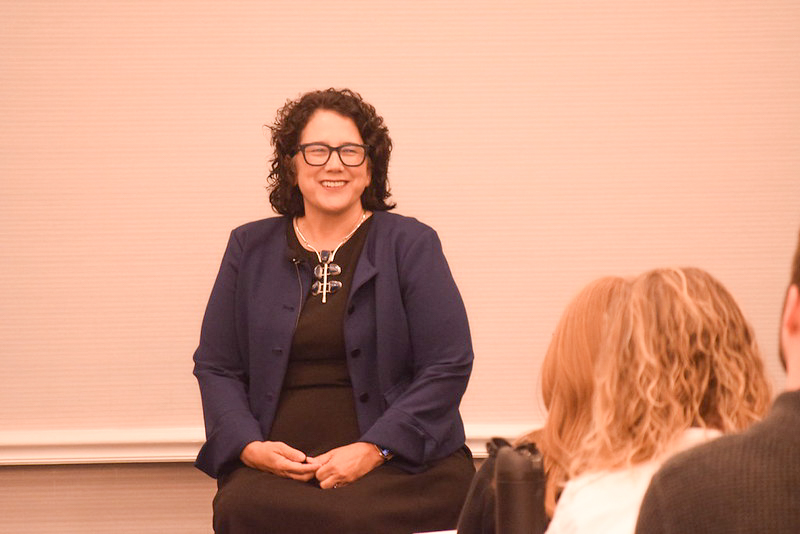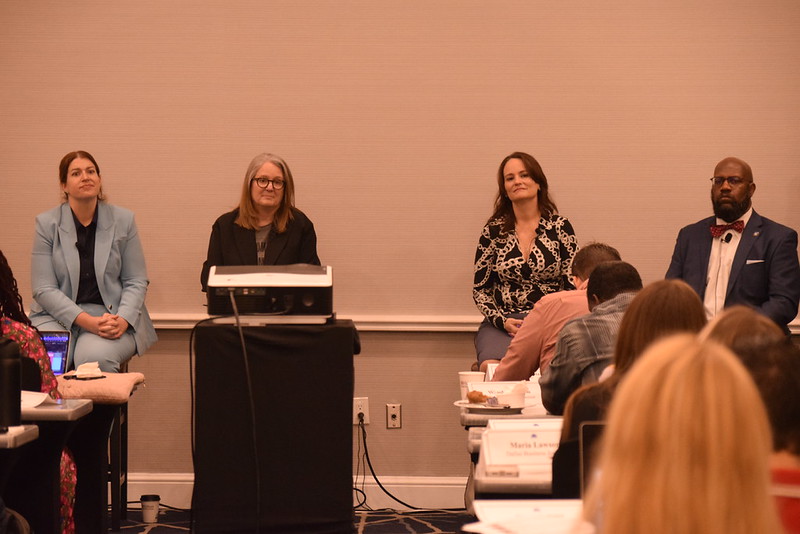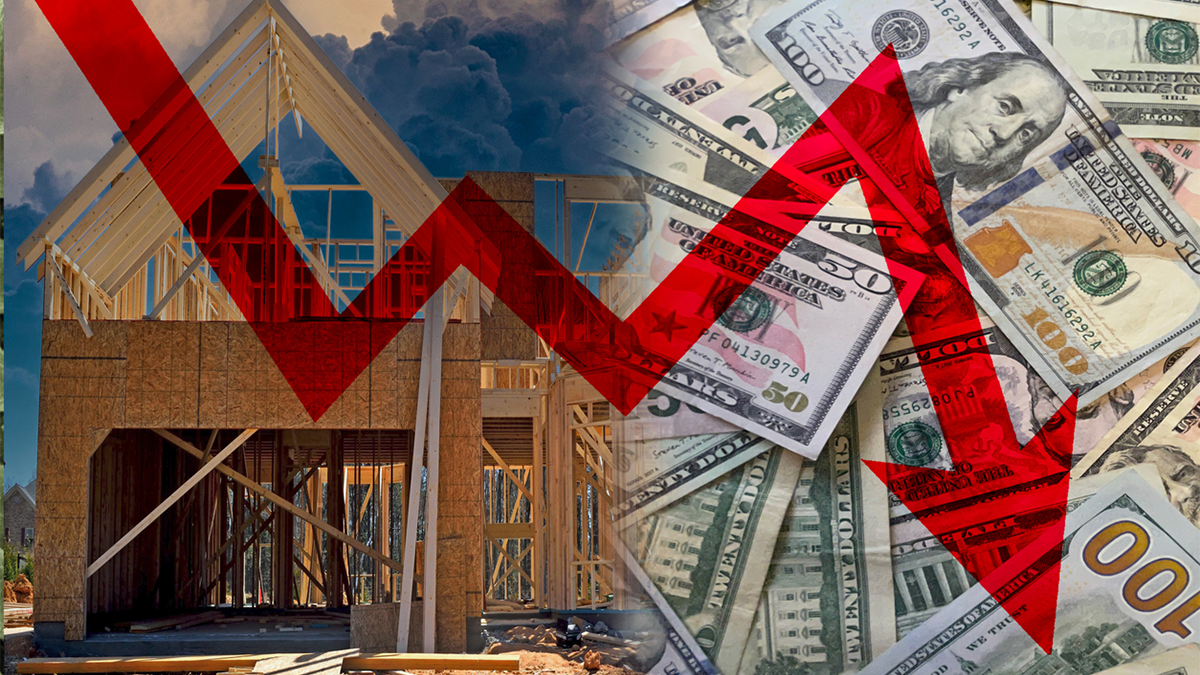
A convergence of demographic headwinds in the U.S. is opening the door to slower economic growth, making sound public policy more critical than ever, U.S. Chamber of Commerce Executive Vice President Neil Bradley told the National Press Foundation’s Local Business Journalism Fellowship.
Bradley, who also serves as the Chamber’s chief policy officer, said the transition, fueled in part by an aging population and declining birth rates, is “perhaps the single most important thing that we never talk about in any grand way publicly that’s occurring right now.”
“So, if you’ve followed kind of the archetype of societies and economies, when you have emerging markets or kind of fast-growing economies, they’ll have really rapid growth and then economies will become more mature,” Bradley said. “They will become older and growth begins to settle out at a lower rate. There are lots of reasons that we can get into about why that happens around population and age, et cetera, but the US is reaching kind of one of those” periods.
As a result, Bradley said the Chamber has adopted a goal of economic growth at 3%, up from 2% during the first part of the year.
“We actually think that there’s something magical about 3% growth, and it’s not just because three sounds like a good number and it’s kind of achievable,” Bradley said.
“The difference between 2% and 3% growth is a lot bigger than one point. It’s actually 50%. It’s even bigger when you think about the lives that people lead,” Bradley said. “So, what does it take for each generation to have more opportunity than the prior generation? When an economy grows at 3% a year, year over year, the size of the pie, the size of the economy, doubles in 23 years. Now, that doesn’t guarantee that everyone’s slice of the pie doubles, but the faster the pie gets bigger, the better opportunities, the more opportunities people have to have a bigger slice of the pie. When an economy grows at 2% a year, it takes 35 years for the size of the pie to double.”
The U.S. Chamber of Commerce sponsored the four-day conference in Washington, D.C.
Access the full transcript here.
This fellowship is sponsored by the U.S. Chamber of Commerce as a continuation of a journalism training and award program launched in 2025.