Collaborative research, assisted by artificial intelligence and an increased reliance on patient participation is essential to identifying and combating rare diseases that afflict millions of people around the world, a prominent patient advocate told the National Press Foundation’s 2025 Rare Disease Reporting Fellowship.
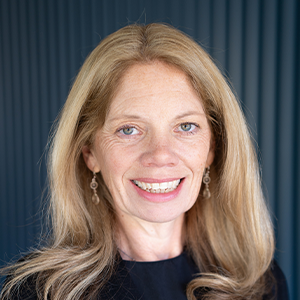
The urgent work faces “grand challenges” during the next decade, including the need for artificial intelligence “models to predict and understand cellular behavior,” said Heidi Bjornson-Pennell, director of patient networks and partnerships at biohub, a rebrand of the Chan Zuckerberg Initiative Rare As One Network.
Researchers also are working to develop imaging technologies for complex mapping purposes, seeking early prevention strategies through immune system study and “creating new tools for sensing and measuring inflammation within tissues in real time,” said Bjornson-Pennell.
“Patients are really key to this … they bring together researchers, tool and biomedical developers to really conduct better, faster research progress and to ensure that patient experiences really inform the research that is taking place,” Bjornson-Pennell said. “Patients are bringing their insights to the table and supporting the development of critical research-enabling infrastructure that is really driving forward research in these diseases.”
Bjornson-Pennell, whose career as an attorney dramatically shifted when two of her children were diagnosed with an uncommon genetic disease, described the collective weight of rare disease as “immense.”
“There’s over 400 million people (who) suffer around the world from a rare disease. One in two of these patients diagnosed with a rare disease is a child; 30% of them will not live to see their fifth birthday. Ninety-five percent of rare diseases lack an (Federal Drug Administration) approved treatment,” she said.
“And while this is framed in the U.S. context, this is essentially true around the world. There is an average of six plus years for rare disease patients to receive an accurate diagnosis.”
Bjornson-Pennell said the “diagnostic odyssey is even worse for those from underrepresented backgrounds and in many regions of the world,” adding that delayed diagnosis in the U.S., can result in millions of dollars in “avoidable patient costs.”
Researchers + Patients + Technology = ‘Incredible Impact’
When scientists first identified a gene associated with a rare neurological disorder known as KIF1A in 2016, a research group was convened. At the time, there were 10 known patients in the world, “with no research assets,” said. Bjornson-Pennell.
Research funding was awarded shortly after through a patient driven organization known as KIF1A.org resulting in the identification of 540 additional patients so far.
“Through that funding, they hosted the first inaugural family and scientific engagement conference,” Bjornson-Pennell said. “That was one of the key grant objectives with our funding, was to build the research network to identify those that they could bring into the disease area to host a convening and really to start to spur interest in the disease with the ultimate aim of then identifying shared patient researcher priorities that would drive the research forward from that point on.”
Bjornson-Pennell said the organization has grown to include a network of 165 researchers from 40 countries, a patient registry and other assets to support ongoing research.
“It’s really incredible progress, and we’ve seen this repeated over and over across the organizations in our network.”
Access the full transcript here.
This fellowship is funded by Fondation Ipsen. NPF is solely responsible for the content.


 Reload document
 Open in new tab