In the age of artificial intelligence, data journalism and advanced communication tools, you don’t have to be part of an elite investigative reporting team to produce stories that make a big impact.
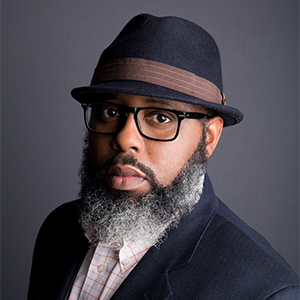
Journalists on any beat can dig deeper and employ creative strategies to find sources and evidence. On June 2, Topher Sanders of ProPublica briefed Widening the Pipeline fellows about one key strategy for developing stories that move the needle: utilizing Freedom of Information Act (FOIA) requests.
As a veteran investigative reporter and co-founder of the Ida B. Wells Society for Investigative Reporting, Sanders has filed many requests for information that yielded powerful stories amplifying racial injustice and inequality. He says the key to success is knowing what information you have a right to access, but identifying what constitutes a public record can be tricky.
“Every state and in our federal government, they try to define and put some guardrails around what is and what isn’t a public record,” Sanders said. “And that’s where the journalists and the skill sets that we all learn over our careers help us know those carve-outs.”
Leveraging sources and exploring alternative custodians of records can help obtain information that an agency may be reluctant to provide, Sanders said.
“I straight up read my records requests to my sources,” he said. “They know exactly where the records are. They know exactly what you need to get those records.”
It’s also important to know the relevant laws and regulations around public records to navigate potential hurdles and outright denials.
“It goes without saying, you have to spend a little time digging into the statute language as stilted and as boring and as unreadable as that statute language is. It will be the thing that you will utilize to combat any kind of feisty agencies that want to fight you on your public records.”
Sanders told fellows to find out if there’s a records ombudsman in their state.
“They tend to be attached to the attorney general’s office. If you’ve not interacted or you’re not on their relationship list, it’s something to do,” Sanders said. “You could do this tomorrow. You could call and introduce yourself, say, ‘Hey, I just learned that your office kind of exists. I just want to call introduce myself. I’m a reporter at so-and-so. I may occasionally come to you with questions and stuff.’ And they’re good people to know. That’s who I go to when I have questions about whether or not a denial is legal or not.”
Access the full transcript here.
This fellowship is funded by the Evelyn Y. Davis Foundation. NPF is solely responsible for the content.