5 takeaways:
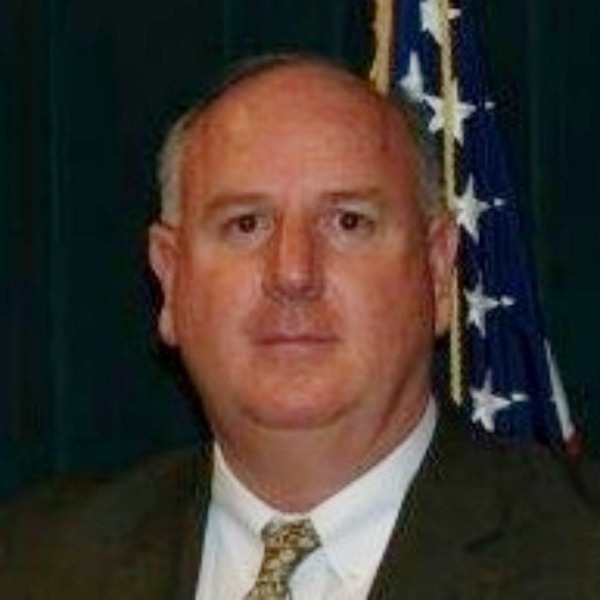
➀ Deploying police to help drug offenders, not lock them up, is effective at low cost. The police department in Quincy, Massachusetts, was the first in the country to train officers to administer the anti-overdose drug naloxone on the street. When they heard of drug poisonings, they went to the people’s homes, knocked on their doors and offered to help find treatment. The shift wasn’t easy. “We had to look at the fact that society wasn’t ready for police officers to be administering medication because they always looked at us as enforcers of the law,” said Patrick Glynn, a lieutenant detective who helped set up the program.
➁ The “Quincy Model” has helped lower overdoses and deaths. The first year saw a 66% drop in the overdose death rate. The average cost of an overdose intervention is $5,884, Glynn said. Police are still making drug arrests – but different kinds of arrests. “We’re out there arresting the drug traffickers, but not the people that have a substance use problem,” Glynn said. “They do not need to enter the criminal justice system.”
➂ Language matters. When it comes to talking with and about people experiencing substance use disorders, what you say – and what the police say – matters. “Before, someone would be called an ‘addict,’ a ‘junkie.’ We humanized it,” Glynn said. “We took a whole holistic view of looking at this individual because they are someone’s family member; they are someone’s son, daughter, mother, father, even grandparent.” Glynn said the shift is more than semantic – it is “taking a look at the same situation with a different lens.” Another change: “drug overdose” to “drug poisoning.”
➃ Heroin use is down, but fentanyl use is up. Glynn said that 84% of Quincy’s drug deaths are fentanyl related, and 95% of drugs seized contain fentanyl. “We have fentanyl being discovered in cocaine and in meth, and meth is one of the biggest problems we have now again in the northeast,” Glynn said. “Before, it was very, very rare that we would have a meth problem. Now it’s popping up everywhere.”
➄ One size doesn’t fit all. Quincy is an urban area, meaning first responders are never that far away. Rural areas might have response times of 25 or 45 minutes. Other communities with a different demographic mix might have different needs. “You cannot take the template of our program and just replicate it somewhere else,” Glynn said. “It has to be adjusted for the specific community.”
This program is sponsored by the American Society of Addiction Medicine, with support from Arnold Ventures. NPF retains sole responsibility for programming and content.